









STATE OF MODERN RETAILING REPORT 2025 – TRAVEL’S TIPPING POINT
8 Jan 2025
Share To :



STATE OF MODERN RETAILING REPORT 2025 – TRAVEL’S TIPPING POINT
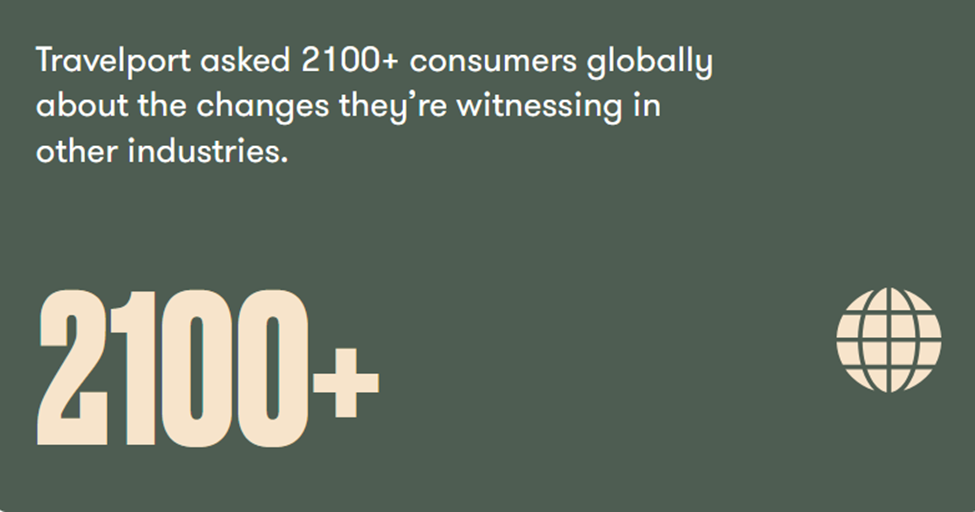
The travel industry is approaching a major turning point in 2025. It is being reshaped by intense competition over travel content distribution, successful new business models, new competitors, and clearer applications of AI-powered and Generative AI technologies. To keep up with rising consumer expectations, travel sellers and Online Travel Agencies (OTAs) can learn from other industries like retail, banking, and entertainment that have undergone similar digital transformations. By looking outward to these leaders, the travel ecosystem can successfully navigate its own period of rapid disruption. This report is based on global research with over 2,100 consumers, who were asked about the innovations they value in other industries, what delights them, what frustrates them, and what defines an outstanding customer experience.
The conclusion is clear: the same people who use travel booking platforms are also consumers everywhere else. Their expectations are shaped by the best digital experiences, and they now demand the same personalized travel experiences from travel providers. Travelport believes the industry has reached a tipping point. Informed by these insights, we have developed five key predictions that will define and drive the transformation ahead.
01. Consumer-washing ends. Radical transparency begins
Based on research, a growing awareness of “consumer washing” is taking hold. This term describes companies presenting actions as beneficial for customers when the primary motive is increased profit.
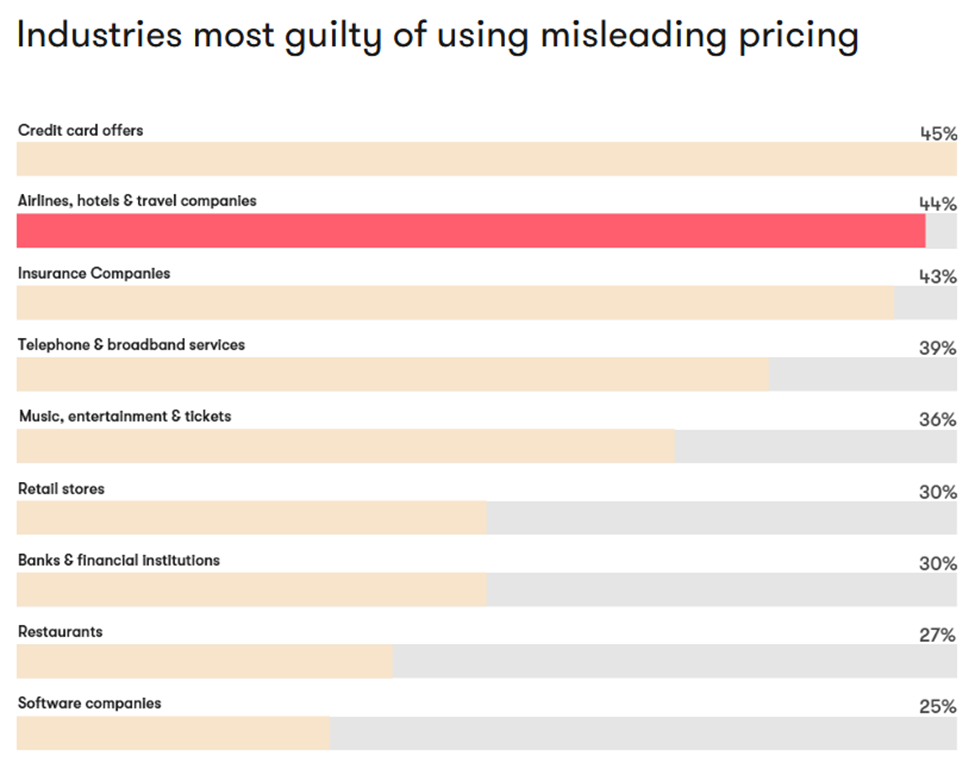
Consumers point to examples like misleading price displays from airlines, hotels, and travel companies, which 44% of respondents identified as a key issue. This lack of transparency contrasts with the seamless flow and real-time content access offered by modern travel marketplaces. It indicates that as consumers recognize these tactics, they are increasingly holding industries accountable for transparency and genuine customer value.
02. Travel’s heading for a tech and mindset shift
While some companies lose trust, others succeed by prioritizing clarity and simplicity. Modern fintech apps have captured market share by offering faster, easier, and more intuitive user interface and services. This shift has forced traditional banks to overhaul their own apps. The travel agency businesses today mirrors banking a decade ago. As fintech simplified, travel retailing has become increasingly complicated and frustrating for consumers. There is a pressing need for cloud-native solutions and open platform technology that deliver operational efficiency and an innovative search experience to boost productivity for travel agents.
03. Unlikely brands form distribution alliances
Two major trends are converging to reshape how travel is sold: choice overload and strategic partnerships.
1. the explosion of Multi-source content and distribution channels — driven by New Distribution Capability (NDC) and airline direct-sales ambitions — has led to paralyzing complexity. Consumers are overwhelmed when flight searching and navigating options. Just as in streaming, this overload is making consumers value curation and simplicity.
2, the industry is seeing a strategic shift toward pragmatic distribution. Recognizing the limitations of a direct-only strategy, airlines — including Low-Cost Carriers (LCCs) and full service carriers — are increasingly opening their NDC content and EDIFACT content to third-party channels like OTAs and Travel Management Companies (TMCs). This mirrors partnerships in other sectors where former competitors bundle services. The core lesson is that loyalty is won by simplifying the journey. Travel must adapt by becoming a trusted curator, leveraging data analytics and travel intelligence to provide enhanced availability flow, not just endless options.
04. Travel subscriptions take off
The subscription model is booming, valued for its convenience and cost efficiency. In travel, successful programs have proven their power, becoming significant revenue contributors
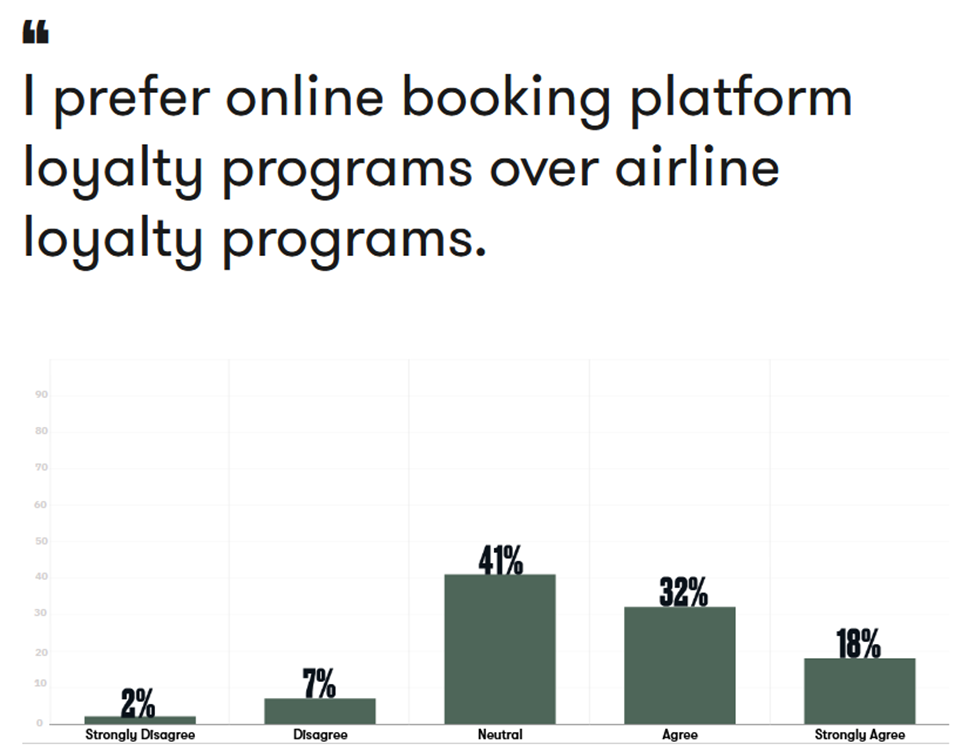
While awareness is currently low, a significant market is open. Our research indicates frequent travelers are receptive. OTAs and online sellers are uniquely positioned to lead, as consumers may favor their programs for complex itineraries offering exclusive benefits and price reductions, which helps increase customer loyalty. The rising cost of customer acquisition makes subscriptions an appealing alternative, providing predictable recurring revenue and stronger loyalty. There is room for new entrants in untapped niches like luxury or budget travel, where a curated subscription can add distinct value. With billions of travelers unsubscribed, a significant revenue opportunity exists for more agencies to enter the market in 2025 by offering tailored subscription experiences.
05. Trust in AI takes travel subscriptions to the next level
The advent of AI has marked a shift from hype to a tangible, transformative force, with consumer sentiment evolving toward trust in travel brands. While early consumer-facing applications like AI itineraries have had mixed results, the true near-term impact will come from three key shifts enabled by AI-powered tools:
-
1. Big Data Analysis for Strategy: AI excels at rapidly analyzing vast datasets to uncover opportunities, such as forecasting demand or optimizing capacity. Tools now exist to generate complex reports from simple conversational search prompts.
-
2. The Search Paradigm Shifts: The arrival of conversational search challenges traditional models. This new paradigm, which feels like a two-way conversation, could reduce reliance on traditional methods and elevate the importance of intelligent platforms for travel discovery and flight search optimization.
-
3. Curating Complexity: AI provides a critical solution to the challenge of NDC and content overload. AI-powered curation layers help travel agencies and their Mid And Back Office Systems efficiently manage the explosion of airline offers, simplifying the booking process and enabling smart ticketing for both agents and travelers.
In essence, AI is moving beyond gimmicks to become a core operational efficiency tool for data insights, discovery, and managing industry complexity through automated processes.
For more detailed analysis, visit the link – https://www.travelport.com/reports/trends-2025
Source: Travelport
